

BLOG
Custom Flag: A Practical Way to Turn Brand Ideas Into Visible Displays
Jul
Custom Flag: A Practical Way to Turn Brand Ideas Into Visible Displays
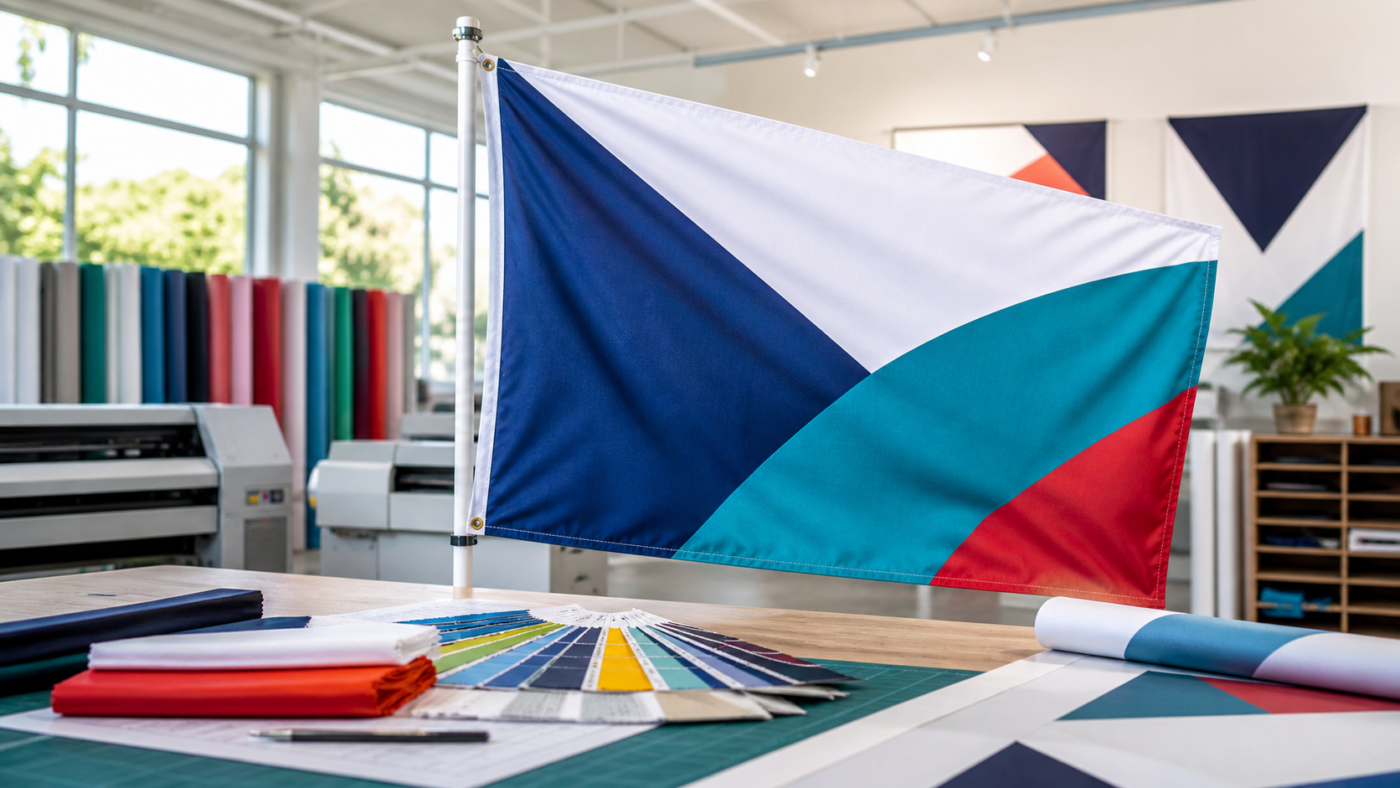
A custom flag is one of the simplest ways to turn a logo, message, color system, or campaign idea into a visible physical display. It can work for businesses, schools, clubs, event teams, organizations, sports groups, and promotional campaigns. Unlike a fixed wall sign, a flag can move, travel, and adapt to different settings while still giving people a clear visual marker.
For buyers who need a flexible display piece, a custom flag can help connect brand identity with real-world visibility. It can be used outside a storefront, near an event entrance, at a booth, along a street, inside a venue, or as part of a coordinated display with banners, table covers, backdrops, and other printed materials.
Why Custom Flags Work for Many Uses
Custom flags are useful because they combine movement, color, and recognizability. A flag catches attention differently than a flat sign because fabric naturally moves with air and light. That motion can help a message stand out in busy areas such as sidewalks, trade shows, parking lots, festivals, school events, and community gatherings.
The format is also broad enough for many types of designs. A business may use a logo and short message. A school may use colors, mascot artwork, or department identity. A club or nonprofit may use a symbol, slogan, or event theme. The strongest designs usually focus on one main idea instead of trying to show every detail at once.
Start With the Purpose
Before choosing a size or layout, define what the custom flag needs to do. Some flags are meant to attract attention from a distance. Others are meant to identify a booth, decorate a venue, support a ceremony, or make a branded space feel complete. The purpose should guide the design.
If the goal is outdoor attention, strong contrast and simple artwork matter most. If the flag is for an indoor event or formal display, the design may focus more on logo accuracy, color consistency, and a clean finished look. If the flag needs to be reused, avoid date-specific artwork unless the event happens every year and the design will remain relevant.
Keep the Artwork Clear
Flags are often viewed while they are moving, folding, or being seen from an angle. Because of that, complicated artwork can lose impact. A clear custom flag usually uses a large logo, limited text, strong color contrast, and enough empty space around the main design. This makes it easier to understand quickly.
Text should be short and readable. A logo, brand name, team name, or short callout will usually work better than a full sentence. If a design includes small details, thin lines, or multiple photos, those elements may not be noticeable from a normal viewing distance.
Match the Flag to the Display Location
The right custom flag depends on where it will be displayed. A storefront flag may need to be visible from the sidewalk or street. An event flag may need to guide visitors or mark a registration area. A school or organization flag may need a more formal layout for ceremonies or indoor spaces.
Placement affects size, finishing, and hardware. A flag for a pole, wall, table, vehicle, or parade route may need different finishing details. Thinking about the final display location before ordering helps avoid a flag that looks good in design but is difficult to use in practice.
Use Custom Flags as Part of a Larger Display
A custom flag can stand alone, but it often works best as part of a complete visual setup. A business might pair a flag with a storefront banner, table banner, or backdrop. An event team might use flags at entrances, banners near the stage, and table flags at registration. A school or club might combine custom flags with parade banners or indoor display pieces.
This approach helps create consistency. When the same colors, logo, and message appear across several display items, the brand or organization becomes easier to recognize. The custom flag adds movement and height while the other pieces provide detail.
Plan for Practical Ordering Details
When preparing a custom flag order, buyers should confirm the artwork file, size, orientation, finishing method, and intended hardware. It also helps to decide whether the design should be single-sided or double-sided, depending on how people will view it. These choices affect both appearance and usability.
Custom Flag Shop offers a dedicated custom flag option for buyers who want to turn their design into a printed flag. Reviewing the product page before ordering can help match the design idea with the right format and display plan.
Think About Longevity
A good custom flag should be useful beyond one quick moment whenever possible. If the design is for a permanent business identity, keep it simple and timeless. If it is for a seasonal campaign, consider whether the same layout can be adapted later with new colors or wording. This makes future orders easier and keeps the display system consistent.
For teams, schools, clubs, and organizations, keeping a consistent flag design can also build recognition over time. People begin to associate the colors and layout with the group, which makes the flag more effective at future events.
Conclusion
A custom flag is a practical display choice for brands, events, schools, clubs, and organizations that need a visible and flexible way to show identity. The best results come from a clear purpose, simple artwork, readable text, and a size and finishing method that fit the display location.
Whether the flag is used outside a storefront, at a trade show, during a ceremony, or as part of an event setup, it can help turn a design idea into something people can notice, recognize, and remember.